
Наталія Барвінок
Матеріали Міжнар. наук.-практ. конф.
«Управління розвитком сфери гостинності:
регіональний аспект» (м. Чернівці, 5 травня 2022 р.)
Чернівці: Технодрук, 2022. 352 с. С.291-295.
Компетентність спілкування іноземними мовами як компонент професійних компетентностей персоналу галузі туризму
Туристична сфера відмінна від інших сфер тим, що надає споживачам не матеріальні блага, а послуги, які великою мірою залежать від вміння персоналу працювати зі споживачами. Це зумовлено постійним та безпосереднім контактом працівників туристичної сфери з клієнтами на будь-якому етапі надання туристичних послуг.
Аналіз економічних досліджень в області туристичного бізнесу показав, що коли мова йде про вдосконалення управління туристичним підприємством, то особлива увага приділяється питанням навколишнього середовища, ринку, конкурентам, клієнтам і тому подібне, однак головні зусилля управління в індустрії туризму повинні бути спрямовані на її персонал [2].
Туристська галузь на сьогодні найтісніше пов’язана з виходом на міжнародний ринок праці, і її фахівці повинні відповідати світовим стандартам професійної підготовки [4]. Тому, конкурентоспроможність туристичних підприємств на світовому ринку вкрай залежать саме від кваліфікації та компетентностей фахівців, які надають послуги споживачам туристичної сфери.
Для успішного функціонування туристичні підприємства потребують висококваліфікованих, компетентних і лабільних фахівців, які спроможні швидко адаптуватися до змін у туристичній галузі [3]. Тому перед закладами освіти, які займаються підготовкою кадрів для туристичної сфери постає завдання випуску висококваліфікованих та компетентних фахівців у своїй галузі, які будуть конкурентоспроможними не лише на внутрішньому, але і на світовому ринку праці.
Навички фахівців туристичної сфери, які сьогодні визначаються як критично важливі фактори успіху для співробітників підприємств, завдяки яким забезпечується і підтримується їх кар’єрне зростання включаються в ключові компетентності. Європейський парламент і Рада Європейського Союзу 17 січня 2018 року схвалили Рамкову програму оновлених ключових компетентностей для навчання протягом життя, де компетентності визначаються як комбінація знань, навичок та ставлень, а ключовими компетентностями є ті, які необхідні всім людям для підвищення особистого потенціалу і розвитку, розширення можливостей працевлаштування, соціальної інтеграції та активного громадянства [1].
Європейські еталонні рамки визначають вісім основних компетентностей, які визначаються як критично важливі фактори успіху для співробітників підприємств, завдяки яким забезпечується і підтримується їх професійна діяльність, кар’єрне зростання та висока конкурентоспроможність на ринку праці (рис. 1).
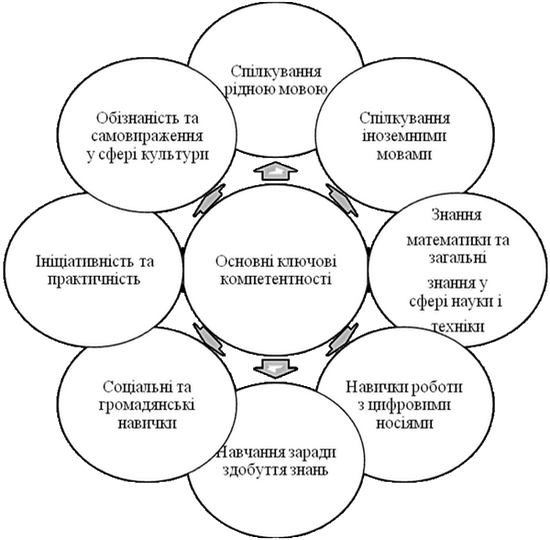
Рис. 1. Ключові компетентності для навчання протягом життя
Джерело: створено автором на основі [1].
Для підвищення конкурентоспроможності туристичного підприємства на світовому ринку туристичних послуг персонал має володіти іноземними мовами на достатньо високому рівні, тобто мати іншомовну комунікативну компетентність (компетентність спілкування іноземними мовами), яка входить не лише до ключових компетентностей для навчання впродовж життя, але і до професійних компетентностей фахівців туристичної сфери. Така компетентність забезпечує можливість обслуговування іноземних споживачів, що, в свою чергу, дозволяє підприємству виходити на рівень світового ринку.
Спілкування іноземними мовами, що у плані навичок загалом подібне на спілкування рідною мовою, і ґрунтується на вмінні розуміти, виражати та пояснювати поняття, думки, почуття, факти та погляди як у усній, так і в письмовій формі у відповідних соціальних та культурних контекстах відповідно до бажань чи потреб особи. Спілкування іноземною мовою також передбачає такі вміння, як посередництво та вміння порозумітись у міжкультурному середовищі.
Іншомовна комунікативна компетентність включає широкий спектр компетенцій, якими має володіти фахівець, зокрема спілкування з клієнтами та досягнення домовленості з питань житла (готельний бізнес), харчування (ресторанний бізнес), подорожі (транспорт), медичного страхування та безпеки життя, фінансових та банківських операцій, відвідування визначних місць та пам'яток тощо, ведення необхідної документації, написання листів, опрацювання скарг, ведення телефонних розмов, проведення переговорів, зустрічей, презентацій, складання рекламних матеріалів та інше [5].
Отже, компетентність спілкування іноземними мовами (іншомовна комунікативна компетентність) є важливим елементом між професійними компетентностями персоналу в туристичній індустрії, яка забезпечує можливість спілкування з іноземними клієнтами. Персонал, який володіє іноземними мовами підвищує конкурентоспроможність підприємства не лише на рівні країни, але і на світовому рівні, адже це сприяє виходу туристичного підприємства на світовий ринок туристичних послуг.
Список використаних джерел
1. ANNEX to the Proposal for a Council Recommendation on Key Competences for Lifelong Learning. URL: https://eur-lex.europa.eu/resource.html?uri=cellar:395443f6-fb6d-11e7-b8f5-01aa75ed71a1.0001.02/DOC_1&format=PDF.
2. Бігдан М.Г., Карлик Ю.Ю. Пряма залежність якості туристичних послуг від ефективного управління персоналом // Економіка. Управління. Інновації. 2012. №2(8). С.178-182.
3. Клімова А.М. Професійна компетентність персоналу як складова успіху туристичного підприємства // Агросвіт. 2020. №11. С.115–120.
4. Кухта І. Іншомовна комунікативна культура майбутнього фахівця туристичної сфери у контексті компетентнісного підходу // Науковий вісник Ужгородського національного університету. 2009. Вип.16-17. С.61-63.
5. Мединська С.І. Формування іншомовної компетентності як компонента професійної підготовки фахівців у галузі туризму // Вісник дніпропетровського університету імені Альфреда Нобеля. 2016. №2(12). С.233-237.
Nataliia Barvinok. Competence of Communication in Foreign Languages as a Component of Professional Competencies of Personnel in Tourism
To increase the competitiveness of a tourist enterprise in the global market of tourist services, staff must speak foreign languages at a sufficiently high level, ie have foreign language communication competence (competence in foreign languages), which is not only key competences for lifelong learning but also professional competences. tourist sphere. This competence provides the ability to serve foreign consumers, which, in turn, allows the company to reach the level of the world market.